Introduction: When Your Teeth Start to Look See-Through
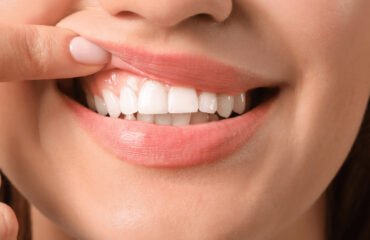
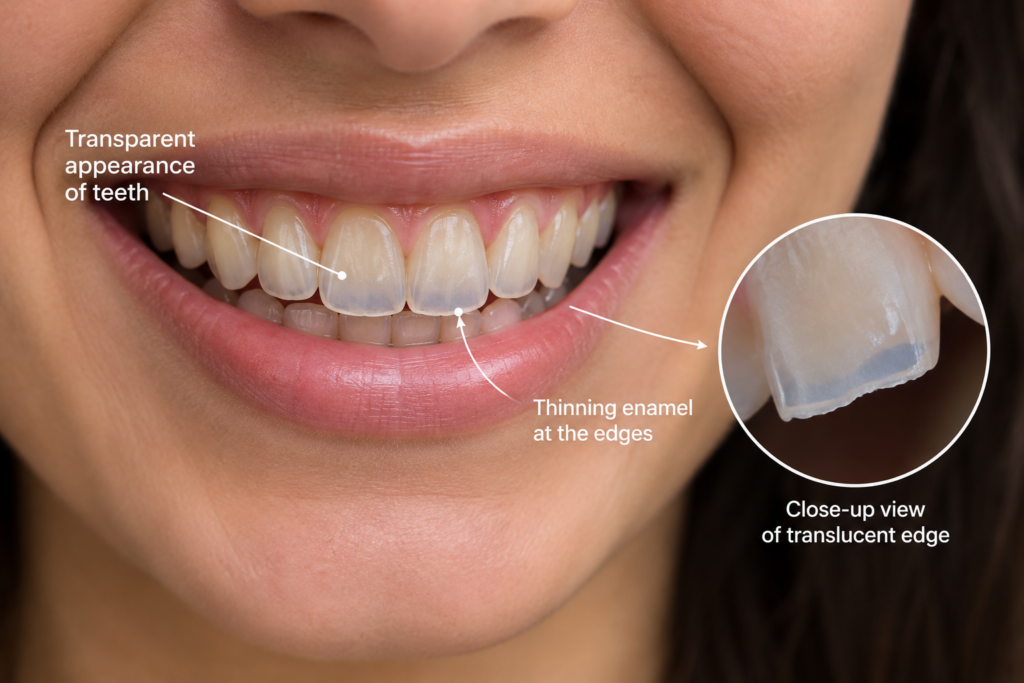
Transparent teeth are one of those changes you notice in the mirror before you feel anything. The biting edges of your front teeth look faintly glassy. Maybe they seem thinner, greyer, or a little bluish in bright light. It’s natural to worry that something is wrong.
Sometimes it’s harmless. Often, though, it’s an early sign that your enamel is wearing away. At VIN SMILES Advanced Dentistry, we see this more and more, and the causes are usually easy to identify once you know where to look. Let’s walk through why it happens, what can be reversed, and what can’t.
What’s Really Happening When Teeth Turn Transparent
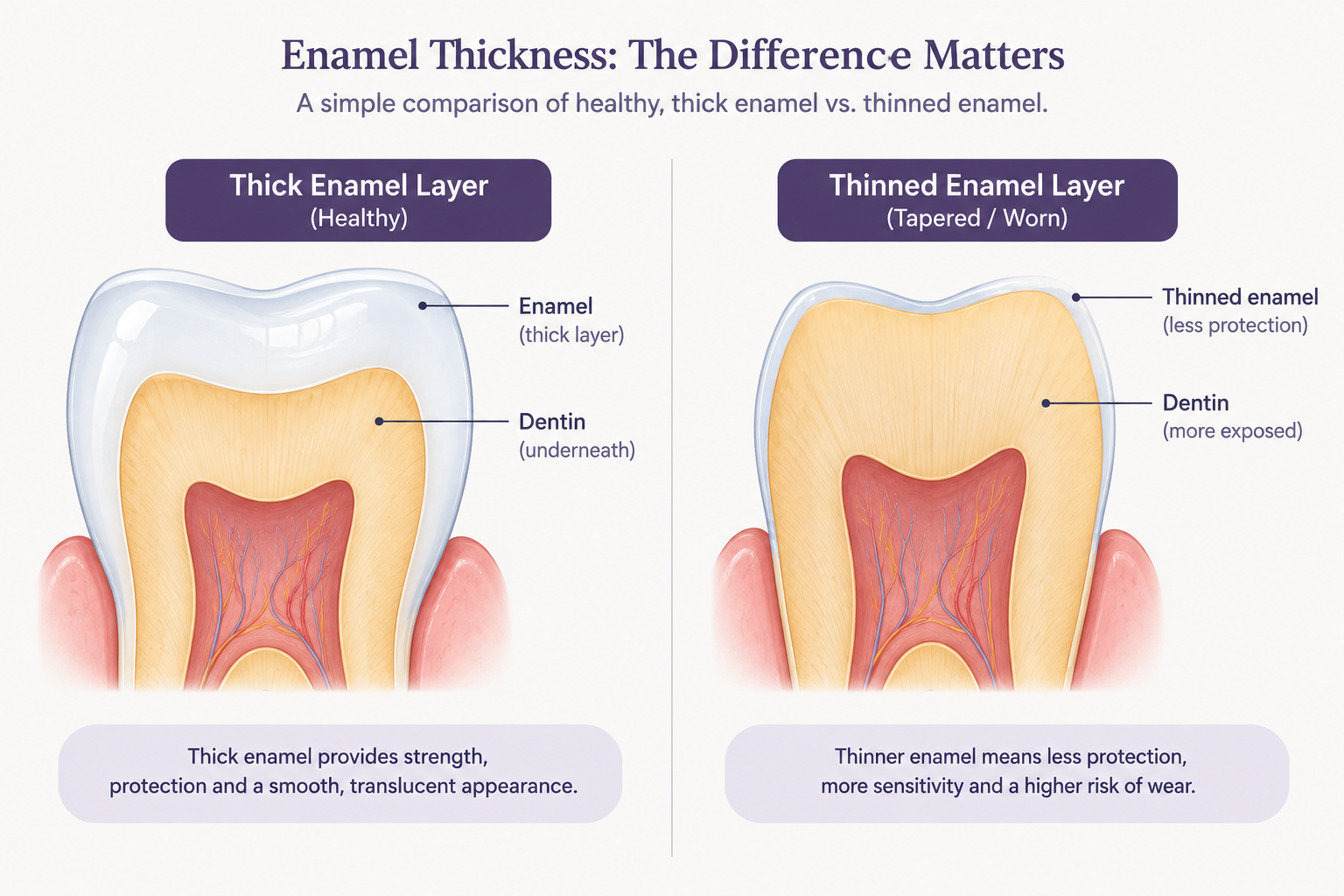
Your teeth have two main layers. Enamel is the hard, glossy outer shell. Dentin is the softer, yellowish tissue underneath. Enamel is naturally semi-clear, and it gets its whiteness from the dentin behind it.
At the biting edge of your front teeth, there’s little or no dentin behind the enamel. That’s why a little translucency there is completely normal. Trouble starts when enamel thins across the tooth, or the edge looks more see-through than it used to.
Why Teeth Become Transparent: The Main Causes
1. Enamel Thinning From Everyday Wear
Enamel wears down slowly over a lifetime, and it can’t regrow. Chewing, brushing, and simple aging all remove a little each year. When enamel thins enough, light passes through it more easily, and the tooth starts to look glassy.
2. Acid Erosion
This is one of the biggest culprits. Acid softens the enamel surface and dissolves its minerals. Unlike a cavity, erosion has nothing to do with bacteria. It comes from acid alone, and it often shows up as smooth, shiny patches, small dents, or edges that look worn and clear.
Acid can come from two sources:
- Outside the body: food and drink
- Inside the body: stomach acid from reflux or frequent vomiting
A clinical report on reflux-related tooth wear describes how chronic stomach acid, especially combined with grinding, can cause extensive loss of tooth structure.
3. Dietary Acids
Many everyday favorites are acidic enough to soften enamel when they’re consumed often. Frequency matters more than quantity. Sipping all day keeps your teeth under constant attack.
Common triggers include:
- Colas and other fizzy drinks
- Energy and sports drinks
- Citrus fruits and nimbu pani
- Vinegar, pickles (achar), and tamarind (imli)
- Sour candies and wine
4. Bruxism (Teeth Grinding and Clenching)
Grinding is a mechanical attack on enamel. It often happens during sleep, so many people have no idea they’re doing it. Acid-softened enamel wears away even faster under that pressure. Research on teeth affected by both bruxism and erosion shows how the two problems compound each other.
Signs of grinding include flat or chipped edges, morning jaw soreness, and headaches.
5. Brushing Too Hard, or Too Soon
Aggressive brushing with a hard brush or gritty toothpaste scrubs enamel away. Brushing right after acidic food is a hidden problem too. Softened enamel is easier to wear down for a short time afterward.
6. Dry Mouth
Saliva is your natural defense. It neutralizes acid and delivers minerals back to your teeth. Certain medications, dehydration, and some health conditions reduce saliva, leaving enamel exposed for longer.
7. Genetics and Enamel Development
Some people are born with thin or poorly formed enamel. In these cases, transparent teeth may appear early in life and affect many teeth at once.
Signs Your Enamel May Be Thinning
Transparent teeth rarely arrive alone. Look out for:
- Glassy or see-through biting edges
- Teeth that look more yellow, since dentin shows through
- Sensitivity to hot, cold, or sweet foods
- Smooth, shiny spots or small dents on the surface
- Flattened, rounded, or chipped edges
- Cracks along the biting surface
What Can Be Reversed, and What Can’t
This is the question we hear most. The honest answer has two parts.
What Can Be Helped
Very early acid damage, when the enamel is only softened, can partly recover. Minerals from your saliva can redeposit into the surface. This process is called remineralization, and it works best with support:
- Fluoride toothpaste and professional fluoride treatments
- Calcium and phosphate products, including hydroxyapatite-based pastes
- Cutting back on how often you’re exposed to acid
- Saliva-boosting habits such as drinking water and chewing sugar-free gum
What Can’t Be Reversed
Once enamel is physically lost, it’s gone. Your body cannot regrow it. That means thinned edges, worn-down surfaces, and chips are permanent. What we can do is protect the remaining enamel, stop the damage from progressing, and restore the appearance of the tooth.
How to Prevent Transparent Teeth From Getting Worse
- Limit how often you sip acidic drinks. Have them with meals instead of throughout the day.
- Use a straw for fizzy or citrus drinks to reduce contact with your front teeth.
- Rinse with plain water after acidic food or drink.
- Wait about 30 minutes before brushing. This gives softened enamel time to re-harden.
- Brush gently with a soft-bristled brush and fluoride toothpaste.
- Wear a night guard if you grind or clench.
- Manage reflux with your doctor. Untreated acid reflux keeps attacking enamel from the inside.
- Stay hydrated and chew sugar-free gum to keep saliva flowing.
- See your dentist regularly. Early erosion is far easier to manage than advanced wear.
Treatment Options for Transparent Teeth
Treatment depends on how much enamel has been lost:
- Fluoride or remineralizing treatments strengthen early-stage damage
- Dental bonding rebuilds thinned or chipped edges with tooth-colored material
- Veneers cover the front surface of a tooth to restore strength and appearance
- Crowns protect teeth with more advanced wear
- Custom night guards stop grinding from doing further harm
- Treating the underlying cause, such as reflux or dry mouth, so the damage doesn’t return
Our cosmetic dentistry options can restore both the look and the strength of worn teeth.
When to See a Dentist
Book an appointment if you notice:
- Edges that look clearer or thinner than they used to
- New or increasing sensitivity
- Teeth that look more yellow or feel rough
- Chips, cracks, or flattened surfaces
- Frequent heartburn, regurgitation, or a sour taste in the mouth
- Jaw pain or morning headaches
Why Choose VIN SMILES Advanced Dentistry
Seeing transparent teeth can feel alarming, especially when nothing hurts yet. At VIN SMILES Advanced Dentistry, we look past the surface to find exactly why it’s happening.
- Clear Diagnosis: We work out whether acid, grinding, brushing habits, or a mix of causes is behind your enamel loss.
- Honest Guidance: We tell you plainly what can be reversed and what needs restoration.
- Preventive-First Care: We help you protect the enamel you have before recommending anything more involved.
- Complete Restorative Options: From remineralizing care to bonding, veneers, and custom night guards, we handle the full journey in one place.
- Comfortable, Judgment-Free Visits: Ask us anything about your diet, habits, or symptoms. We’re here to help, not to lecture.
If your teeth look more see-through than they used to, don’t wait for sensitivity to start. Book a consultation with VIN SMILES Advanced Dentistry today and let our general dentistry team assess your enamel.
Frequently Asked Questions
Are transparent teeth normal? Some translucency at the very edge of your front teeth is normal. It becomes a concern if it increases over time, spreads, or comes with sensitivity.
Can transparent teeth turn back to normal? Very early softening can improve with remineralization. Enamel that has been physically worn away can’t grow back, but bonding or veneers can restore the appearance.
Does whitening make teeth look more transparent? Whitening doesn’t remove enamel, but it can make translucent edges more noticeable by contrast. A dentist can tell you whether it’s suitable for your teeth.
Is acid reflux really linked to enamel loss? Yes. Stomach acid is strong enough to erode enamel, and long-term reflux is a well-known cause of tooth wear.
How do I know if I’m grinding my teeth at night? Common clues include morning jaw soreness, headaches, flattened edges, and a partner hearing grinding sounds. Your dentist can also spot wear patterns during an exam.
Noticing transparent teeth or thinning enamel? Contact VIN SMILES Advanced Dentistry to find the cause and protect your smile.