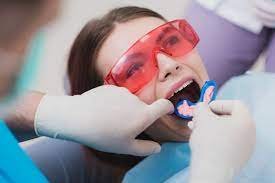
 FLUORIDE: FACTS & MYTHS Fluoride is a naturally occurring mineral that has been widely studied for its benefits in dental health. However, there are also several myths and misconceptions surrounding fluoride that have led to confusion and debate. In this blog post, we will explore some facts about fluoride, its positive effects on oral health, and address some common myths associated with it.Fact 1: Fluoride Prevents Tooth DecayOne of the most well-established facts about fluoride is its ability to prevent tooth decay. When fluoride is present in the mouth, it strengthens the enamel, making it more resistant to acid attacks from bacteria that cause cavities. Fluoride can also reverse early stages of tooth decay by remineralizing weakened enamel.Fact 2: Fluoride is Naturally Present in Water and FoodsContrary to some myths, fluoride is not a synthetic or artificial substance. It occurs naturally in water sources and is found in varying concentrations depending on geological factors. Many foods and beverages, including tea and seafood, also contain fluoride. Fluoride is simply a mineral that can be beneficial to oral health when consumed in appropriate amounts.Fact 3: Fluoridated Water is Safe and EffectiveWater fluoridation is a common public health measure adopted by many communities around the world. It involves adjusting the fluoride concentration in the water supply to an optimal level for preventing tooth decay. Decades of research have consistently shown that fluoridated water is safe and effective in reducing tooth decay rates without causing any adverse health effects when consumed within recommended limits.Fact 4: Fluoride is Safe for All Age GroupsThere is a common misconception that fluoride is only beneficial for children and may be harmful to adults. The truth is that fluoride benefits people of all ages. For children, it helps in the development of strong and healthy teeth. In adults, fluoride continues to protect teeth from decay. However, it’s important to use fluoride products, such as toothpaste and mouthwash, in appropriate amounts and supervise children to avoid excessive ingestion.Myth 1: Fluoride Causes Health ProblemsOne of the most widespread myths about fluoride is that it causes various health problems, including cancer, kidney disease, and cognitive impairments. However, numerous scientific studies conducted over the years have consistently failed to establish any causal relationship between fluoride at recommended levels and these health concerns. Fluoride, when used as directed, is safe and does not pose significant health risks.Myth 2: Fluoride Harms IQ or Brain DevelopmentAnother common myth suggests that fluoride exposure can negatively impact IQ and brain development, particularly in children. However, the available scientific evidence does not support this claim. Several comprehensive reviews of the research literature have failed to find any consistent or credible association between fluoride exposure and reduced IQ or impaired brain function.Fluoride is a naturally occurring mineral that plays a vital role in promoting good oral health. It helps prevent tooth decay by strengthening enamel and remineralizing weakened areas. Fluoridated water is a safe and effective public health measure, and fluoride products, such as toothpaste, provide additional protection. While some myths and misconceptions persist, extensive research has consistently demonstrated the safety and benefits of fluoride when used in appropriate amounts. By understanding the facts about fluoride, we can make informed decisions about our dental health and dispel unfounded concerns. Fluoride TreatmentFluoride is the most effective agent available to help prevent tooth decay. It is a mineral that is naturally present in varying amounts in almost all foods and water supplies. The benefits of fluoride have been well known for over 50 years and are supported by many health and professional organizations.Fluoride works in two ways:
- Topical fluoride strengthens the teeth once they have erupted by seeping into the outer surface of the tooth enamel, making the teeth more resistant to decay. We gain topical fluoride by using fluoride containing dental products such as toothpaste, mouth rinses, and gels. Dentists and dental hygienists generally recommend that children have a professional application of fluoride twice a year during dental check-ups.
- Systemic fluoride strengthens the teeth that have erupted as well as those that are developing under the gums. We gain systemic fluoride from most foods and our community water supplies. It is also available as a supplement in drop or gel form and can be prescribed by your dentist or physician. Generally, fluoride drops are recommended for infants, and tablets are best suited for children up through the teen years. It is very important to monitor the amounts of fluoride a child ingests. If too much fluoride is consumed while the teeth are developing, a condition called fluorosis (white spots on the teeth) may result.
- Deep pits and fissures on the chewing surfaces of teeth.
- Exposed and sensitive root surfaces.
- Fair to poor oral hygiene habits.
- Frequent sugar and carbohydrate intake.
- Inadequate exposure to fluorides.
- Inadequate saliva flow due to medical conditions, medical treatments or medications.
- Recent history of dental decay.