 Why Replacing Old Fillings Can Improve Your Well-Being… Amalgam fillings, also known as silver fillings, have been used for over a century to restore cavities. While they are durable and long-lasting, concerns about mercury exposure, structural integrity, and long-term health effects have led many people to consider replacements.Dental amalgam, sometimes called a “silver-filling” due to its appearance, is a mixture of mercury, silver, copper, tin and zinc used to fill cavities in teeth. Dental amalgam is approximately half (50%) mercury, by weight.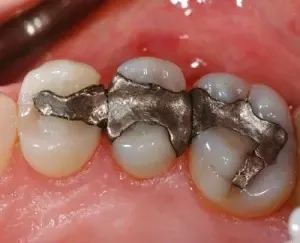
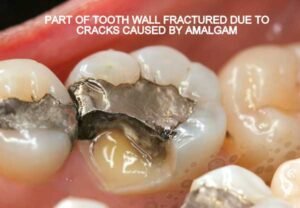 Mercury is found in the earth’s crust and is ubiquitous in the environment, so even without amalgam restorations everyone is exposed to small but measurable amount of mercury in blood and urine. Dental amalgam restorations may raise these levels slightly. Main exposure to mercury from dental amalgam occurs during placement or removal of restoration in the tooth.Over time, old amalgam fillings can also expand and contract with temperature changes, which may lead to cracks in the teeth or allow bacteria to seep in, causing decay beneath the filling. Replacing these fillings with modern, mercury-free alternatives such as composite resin or porcelain not only addresses health concerns but also improves the appearance of your smile.
  Understanding composite resin fillingsComposite fillings are made of a mixture of resin and ceramic particles that can be customized to match the color and shape of the natural tooth. The dentist places composite fillings in layers, each layer being hardened by a special light. The dentist then shapes and polishes the filling to fit the tooth and restore its function and appearance.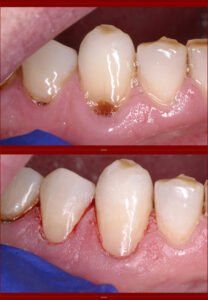
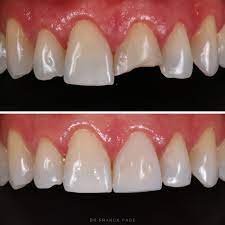
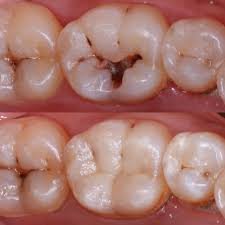 Composite resin fillings are considered better than amalgam fillings in most cases, especially for front teeth or visible areas of the mouth, because they offer two main advantages:
- Aesthetics and natural appearance – They can be matched to the color and shape of the natural tooth and blend in seamlessly with the surrounding teeth. Amalgam fillings, on the other hand, are silver or gray in color and can create a noticeable contrast with the natural teeth, especially when they darken over time.
- Bonding and protection – Composite fillings offer notable durability and fracture resistance for small to medium-sized cavities. They effectively adhere to the tooth structure, forming a secure seal that safeguards against additional decay or breakage.