Why Do Teeth Shift Even After Braces? Understanding Orthodontic Relapse
Have you noticed your teeth moving after braces? You’re not imagining it.
Completing your braces or Invisalign treatment is a huge milestone. After months—or even years—of orthodontic treatment, finally seeing a straight, confident smile is incredibly rewarding.
But for many people, that excitement turns into concern when they notice their teeth slowly beginning to shift again. Sometimes this happens within a few months of removing braces, while in other cases, it occurs years later.
The good news? Teeth shifting after braces (orthodontic relapse) is common, and in most cases, it can be prevented or corrected with timely dental care.
If you’re searching for why teeth move after braces, retainer after braces, or Invisalign for teeth shifting, this guide answers everything you need to know.
What Is Orthodontic Relapse?
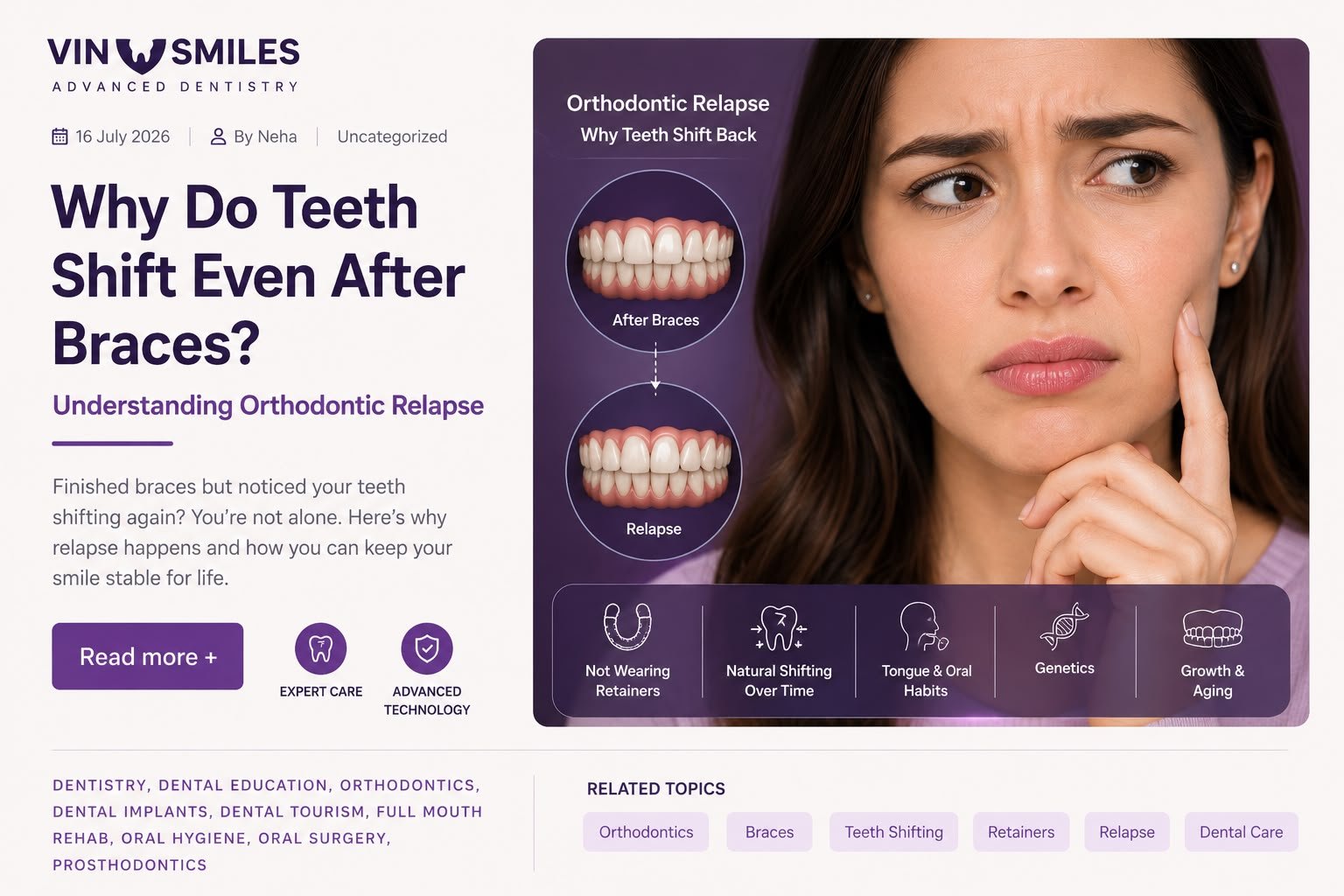
Orthodontic relapse is the gradual movement of teeth back toward their original positions after completing orthodontic treatment with braces or clear aligners.
During treatment, your teeth are carefully guided into ideal alignment. However, once the braces are removed, the surrounding bone, gums and periodontal ligaments need time to remodel and stabilise around their new positions.
Until this healing process is complete, teeth naturally have a tendency to drift.
This is exactly why your orthodontist insists on wearing a retainer after braces.
Why Do Teeth Shift After Braces?
There isn’t just one reason. Several factors can contribute to teeth moving after orthodontic treatment.
1. Not Wearing Your Retainer
This is the most common cause of orthodontic relapse.
A retainer keeps your teeth in their corrected position while the surrounding tissues stabilise. Missing your retainer for even a few weeks can allow noticeable movement.
Remember:
Most orthodontists recommend wearing retainers every night for life to maintain your smile.
2. Natural Ageing
Many people are surprised to learn that teeth continue to move throughout life.
As we age, subtle changes occur in the jawbone, facial muscles and bite. These changes often lead to crowding, especially in the lower front teeth.
This can happen even if you’ve never had braces.
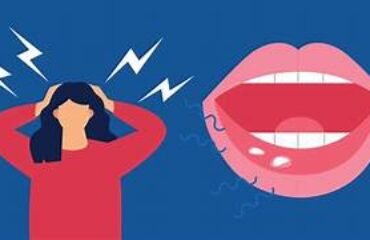
3. Teeth Grinding (Bruxism)
Grinding or clenching your teeth places repeated pressure on your teeth and supporting structures.
Over time, this may contribute to:
- Tooth movement
- Worn-down teeth
- Cracked teeth
- Jaw pain
- TMJ disorders
If you regularly wake up with jaw soreness, headaches or tooth sensitivity, speak to your dentist about possible bruxism treatment.
Related Read: Why Are So Many Young Adults Suddenly Cracking Their Teeth?
4. Gum Disease
Healthy gums and jawbone provide the support your teeth need.
When gum disease causes bone loss, teeth can become loose and gradually shift out of alignment.
Early treatment of gum disease not only protects your smile but also preserves your overall oral health.
5. Missing Teeth
When a missing tooth isn’t replaced, neighbouring teeth naturally drift into the empty space.
This can result in:
- Crooked teeth
- Bite problems
- Difficulty chewing
- Uneven wear
- Changes in facial appearance
Replacing missing teeth with dental implants or dental bridges helps maintain proper alignment and prevents unwanted tooth movement.
Signs Your Teeth Are Shifting Again
You may be experiencing orthodontic relapse if you notice:
- Your retainer feels tight or no longer fits
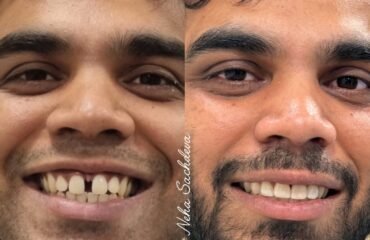
- New gaps appearing between teeth
- Crowding of the front teeth
- Teeth overlapping again
- Changes in your bite
- Difficulty flossing between certain teeth
- One tooth appearing more prominent than before
The earlier relapse is identified, the easier—and often less expensive—it is to correct.
Can Teeth Be Straightened Again?
Yes.
Most cases of orthodontic relapse can be successfully treated.
Depending on how much your teeth have moved, your dentist may recommend:
- A replacement custom retainer
- Clear aligners such as Invisalign®
- Minor orthodontic corrections
- Braces for more significant relapse
Seeking treatment early usually means quicker treatment, lower costs and better long-term results.
How to Prevent Teeth from Shifting After Braces
Keeping your smile straight requires lifelong maintenance.
Follow these simple habits:
✔ Wear your retainer exactly as instructed.
✔ Replace broken, loose or worn retainers promptly.
✔ Visit your dentist for regular dental check-ups.
✔ Brush twice daily and floss every day.
✔ Get treatment for teeth grinding if advised.
✔ Don’t ignore changes in your bite or smile.
Small habits today can help prevent major orthodontic treatment tomorrow.
Why Retainers Are So Important
Many people believe orthodontic treatment ends when their braces come off.
In reality, that’s when the retention phase begins.
Your retainer protects the time, effort and investment you’ve made in achieving your new smile.
Think of it as insurance for your orthodontic treatment.
Wearing your retainer consistently remains the simplest and most effective way to keep your teeth straight for life.
When Should You Visit Your Dentist?
Schedule a dental consultation if:
- Your retainer no longer fits comfortably.
- You’ve noticed your teeth shifting.
- Your bite feels different.
- Gaps or crowding have returned.
- You’re grinding or clenching your teeth.
- Your gums bleed or your teeth feel loose.
Early intervention often prevents more complex orthodontic treatment later.
Why Choose VIN SMILES Advanced Dentistry?
At VIN SMILES Advanced Dentistry, Greater Kailash (GK 2), South Delhi, we help patients protect their orthodontic results long after braces have been removed.
Our experienced team offers:
- Replacement retainers
- Invisalign® clear aligners
- Orthodontic consultations
- Smile correction for relapse
- Digital smile assessment
- Comprehensive preventive dental care
Whether you’ve recently completed braces or had orthodontic treatment years ago, we’ll help keep your smile healthy, stable and beautifully aligned.
Conclusion
A small amount of tooth movement over time is normal, but significant shifting after braces is usually preventable.
If your retainer no longer fits or you’ve noticed your teeth moving, don’t wait. Early treatment is often faster, simpler and more affordable than correcting advanced orthodontic relapse.
If you’re looking for Invisalign in South Delhi, replacement retainers in GK 2, or expert advice on teeth shifting after braces, our team at VIN SMILES Advanced Dentistry is here to help you maintain the smile you’ve worked so hard to achieve.
Frequently Asked Questions (FAQs)
Is it normal for teeth to shift after braces?
Yes. Minor tooth movement over time is normal, particularly if retainers aren’t worn consistently. Significant shifting, however, should be evaluated by your dentist.
How long should I wear my retainer?
Most orthodontists recommend wearing your retainer every night for life to maintain the results of your orthodontic treatment.
Can teeth shift years after braces?
Yes. Natural ageing, inconsistent retainer use, gum disease, missing teeth and teeth grinding can all contribute to gradual tooth movement—even years after treatment.
Can Invisalign® fix teeth that shifted after braces?
In many cases, yes. Mild to moderate orthodontic relapse can often be corrected with Invisalign® clear aligners, while more severe cases may require braces.
What should I do if my retainer doesn’t fit anymore?
Don’t force it into place. Book a dental appointment as soon as possible. Your dentist will determine whether you need a replacement retainer or additional orthodontic treatment.