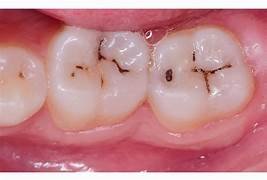
 How Do I Know if I Have a Cavity? How to Spot Tooth Decay and Protect Your Oral Health Cavities are a very common dental issue that can affect people of any age. Also referred to as tooth decay or dental caries, these occur when bacteria accumulate on the teeth and produce an acidic substance that corrodes the enamel. If left untreated, this can result in serious issues like infections and even tooth loss. What Is Tooth Decay?Tooth decay is a severe bacterial infection that wreaks havoc on the hard tissues of our teeth, such as the enamel, dentin, and cementum. The bacteria in our mouths secretes acids that erode the tooth enamel – creating small holes or openings known as cavities. If left untreated these dental problems can become much larger, penetrating further into your teeth and causing pain.Tooth decay could potentially affect your nerves and lead to an infection in the bone around your tooth – resulting in what’s known as a tooth abscess. It could also become a more serious issue where the infection spreads from your mouth throughout other parts of your body. To prevent this from happening, it is highly important to maintain good oral hygiene, along with regular brushing and flossing accompanied by trips to your dentist for regular checkups and cleanings.What Is A Cavity?You know it as a cavity. Your dentist may refer to it as tooth decay or dental caries. All three are names for a hole in your tooth. A cavity is a type of decay that develops in the tooth from bacterial activity. It manifests itself as an opening or crevice and is usually caused by germs latching onto food particles left behind in the mouth, creating an acidic substance. Tooth disintegration is an ongoing process, and cavities are just one part of the process where the damage to the enamel can be seen with the naked eye.Recognizing the Signs of Cavities for Early Detection and PreventionIt’s not uncommon to experience no symptoms in the early stages of cavities. However, as decay intensifies near your tooth’s nerve, you will notice that something is amiss. Below are some telltale signs you may have a cavity:Sensitivity when eating or drinking hot, cold, or sugary foods/drinks:This is one of the most common indicators that someone has a cavity. Discomfort or pain may be present with such items.Pain while biting down:As cavities advance they can cause more severe pain, specifically while chewing food. It could manifest as sharp sensations or consistent discomfort depending on the severity level.Discoloration and holes on the surface area: Visible changes like dark spots and small holes will appear on teeth if there’s a cavity present, so keep an eye out for these noticeable indicators!At first, these spots may look like simple staining and you may even assume that you just have mild tooth discoloration. However, over time, the dark spot gets larger, signalling tooth decay. In some cases, cavities can even look like white spots or light marks on the tooth.Bad breath/unpleasant taste: The increased bacteria caused by cavities can release foul smells and tastes, leading to bad breath and an unpleasant taste in your mouth — this should be addressed as soon as possible.Swelling or Bleeding GumsWhen the cavity is near the gum line, the infection of the tooth can have an impact on the surrounding soft tissue. This can result in bleeding or swollen gums, especially when brushing or flossing. Bleeding gums can also be a sign of gingivitis, so a trip to the dental office is warranted.Jaw ache and difficulty chewing:More advanced cases might lead to jaw pains when opening wide enough to eat properly, along with trouble actually consuming food due to extreme sensitivity from decayed areas within your teeth.The tooth that has a cavity may be causing you pain. You may find it difficult to bite down without sharp, shocking pain. Other patients find it difficult to brush or floss certain areas because of pain or sensitivity. This is caused by the dentin being exposed and affecting the inner nerve of the tooth.No Symptoms At All:When a cavity is smaller in size, there may be no symptoms at all. In fact, most patients won’t know they have a cavity until they go for their regular dental checkup. While it’s fortunate to not have to deal with the symptoms and signs of tooth decay, it can also be problematic in receiving timely treatment. You may not notice that there’s a problem with your teeth, which allows the cavity to grow.Different Types of Cavities and The Pain You May ExperienceCavities come in many forms, each with its own unique set of symptoms and pain levels:
- Pit and fissure cavitieslurk in the most inconspicuous places – on the surfaces of your molars. Not only are they difficult to spot, but they can also cause severe pain or sensitivity when eating certain foods.
- Smooth surface cavitiesoften reveal themselves through discoloration and small concavities on flat teeth enamel.
- Painkillers can help reduce the discomfort and numbing gels or solutions can be applied directly to your affected area to soothe the pain.
- Rinsing your mouth with warm salt water may also provide much-needed relief as it helps clear away debris around the painful area.
- Avoid foods and drinks that inflict the most pain on your tooth.
- Brush twice a day with fluoride toothpaste
- Floss at least once a day to remove food particles between teeth
- Use an antibacterial mouthwash to kill bacteria that cause cavities
- Cut back on sugary and acidic foods and drinks
- Choose water over sugary drinks
- Chew sugar-free gum after meals to stimulate saliva flow and neutralize acids
- Get regular dental checkups and cleanings
- Consider dental sealants, a protective coating applied to the chewing surfaces of back teeth
- Replace your toothbrush every three months