The Hidden Habits That Could Be Damaging Your Smile
Why Are So Many Young Adults Suddenly Cracking Their Teeth?
It might sound surprising, but dentists are seeing more young adults with cracked teeth than ever before. Many of these patients haven’t had an accident or injury — they simply wake up with tooth pain or notice a crack while eating.
So what’s causing it?
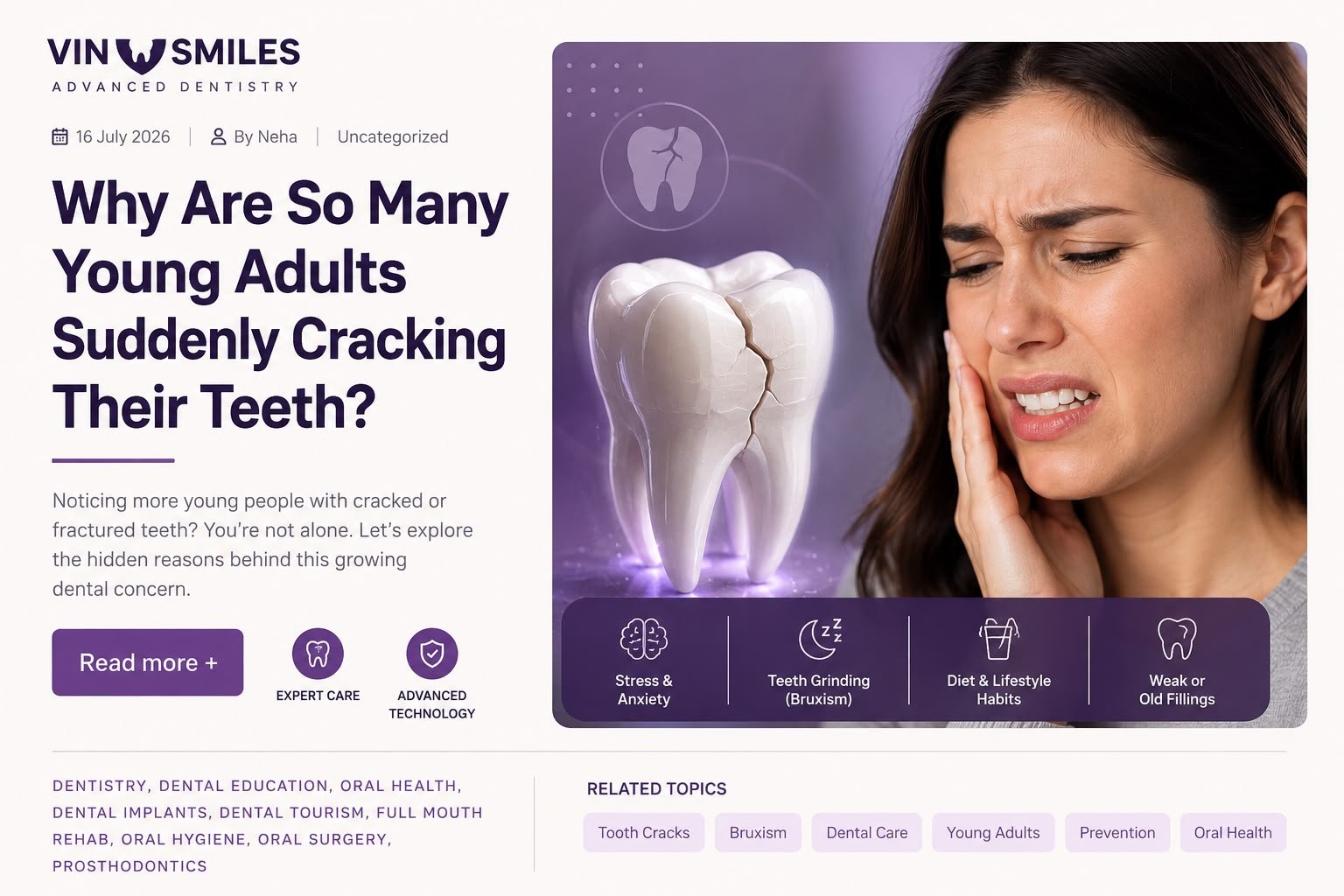
Modern lifestyles have introduced new habits that put immense pressure on our teeth. Stress, teeth grinding, hard diets, energy drinks, and even poor sleep are all contributing to a rise in cracked teeth among people in their 20s and 30s.
At VIN SMILES Advanced Dentistry, we break down exactly why this is happening — and what you can do to protect your smile.
1. Stress Is Stronger Than You Think
Stress is one of the leading causes of teeth grinding (bruxism). Many people grind or clench their teeth during sleep without even realizing it. That is why so Many Young Adults Suddenly Cracking Their Teeth..
Over time, this constant pressure can:
- Create tiny cracks in the enamel

- Wear down tooth structure
- Cause jaw pain and tension
- Lead to chipped off or fractured teeth
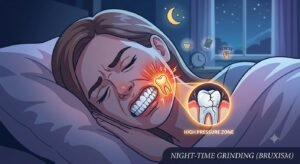
Many people only find out during a routine dental checkup.
2. HEALTHY TEETH CAN STILL BREAK
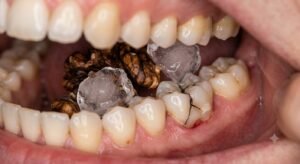
Even perfectly healthy teeth can crack if enough force is applied. It doesn’t take a cavity or weak spot — just the wrong amount of pressure at the wrong angle.
Common culprits include:
- Chewing ice
- Hard candies
- Popcorn kernels
- Biting pen caps
- Opening packets with your teeth
 3. THE COFFEE & ENERGY DRINK CONNECTION
Frequent coffee and acidic drinks don’t directly crack teeth,
but they can weaken enamel over time,
making teeth more vulnerable to fractures —
especially when combined with grinding or chewing hard foods. 3. THE COFFEE & ENERGY DRINK CONNECTION
4. Missing Fillings Can Increase the Risk
Old fillings and untreated cavities can weaken a tooth over time. As decay removes healthy tooth structure — or as a large filling replaces much of the natural tooth — the tooth becomes less able to withstand normal biting forces.
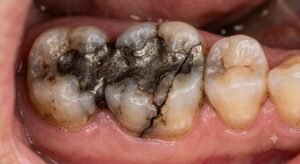 This makes it more susceptible to cracks and fractures especially during chewing or grinding.
5. Smartphones, Work Stress & Poor Sleep
Late nights, high-pressure jobs, and poor sleep: a hidden threat to your teeth.
Modern lifestyles are busier and more stressful than ever. Long working hours, tight deadlines, excessive screen time, and lack of quality sleep affect more than just your mental health — they can also impact your teeth.
When you’re stressed or sleep-deprived, your body is more likely to unconsciously clench or grind your teeth, especially during sleep. This repeated pressure places excessive force on your enamel, creating tiny cracks or even fracturing a tooth over time.

Common lifestyle factors that increase the risk include:
- Working long hours with little rest
- High-pressure jobs or academic stress
- Anxiety and emotional stress
- Poor quality or insufficient sleep
- Frequent caffeine or energy drink consumption to stay awake
Warning Signs You Shouldn’t Ignore
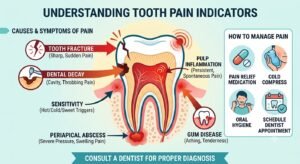
A cracked tooth doesn’t always announce itself with obvious pain. Watch for:
- Pain while chewing
- Sharp pain when biting down
- Sensitivity to hot or cold
- Pain that comes and goes
- Swollen gums around one tooth
- A visible line or chip on the tooth
If any of these sound familiar, it’s time to schedule a dental exam.
Can a Cracked Tooth Be Saved?
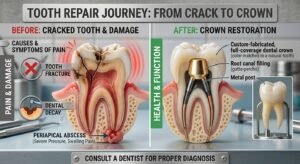
The good news: many cracked teeth can be treated successfully, especially when diagnosed early. The right treatment depends on how deep the crack is, where it’s located, and whether the inner nerve (pulp) has been affected.
 Treatment Options May Include:
Dental Bonding — Very small chips or superficial cracks can often be repaired using a tooth-colored composite resin, restoring both appearance and function.
Dental Crowns — For larger cracks or weakened teeth, a crown covers and protects the tooth, helping prevent the crack from worsening while restoring strength.
Dental Fillings — If the crack is minor and the tooth has enough healthy structure remaining, a filling may be sufficient to restore it.
Root Canal Treatment — If the crack extends into the pulp (the soft tissue containing nerves and blood vessels), a root canal may be needed to remove the damaged tissue and relieve pain. A crown is usually placed afterward to protect the tooth.
Tooth Extraction — If the crack extends deep below the gum line or splits the tooth into separate pieces, it may not be possible to save it. In such cases, extraction followed by a dental implant or bridge may be the best option.
The Importance of Early Treatment
Ignoring a cracked tooth can allow the crack to deepen over time, increasing the risk of infection, severe pain, or even tooth loss. Seeking dental care as soon as you notice symptoms gives you the best chance of preserving your natural tooth with less invasive treatment.

Prevention Tips
- Wear a night guard if you grind your teeth
- Avoid chewing ice or hard objects
- Don’t use your teeth as tools
- Keep up with regular dental check-ups
- Manage stress and prioritize good sleep
Myth vs. Fact
Myth: Only older people get cracked teeth.
Fact: Dentists are increasingly treating cracked teeth in young adults due to stress, teeth grinding, and modern lifestyle habits.
Conclusion
A cracked tooth isn’t always caused by an accident. In many cases, it’s the result of everyday habits that gradually weaken your teeth over time. Paying attention to early signs and seeking timely dental care can prevent a minor crack from becoming a major problem.
If you experience pain while biting, sensitivity, or notice a visible crack, don’t delay seeking professional care. Early diagnosis can often save your natural tooth and help you avoid more extensive treatment.
How VIN SMILES Advanced Dentistry Can Help
At VIN SMILES Advanced Dentistry, we understand that a cracked tooth can be painful, worrying, and easy to ignore — especially when symptoms come and go. Our experienced team focuses on early diagnosis and conservative treatment to help preserve your natural teeth whenever possible.
Using advanced diagnostic technology and a personalized approach, we carefully assess every case to determine the most appropriate treatment, whether it’s a simple restoration, a protective crown, or more advanced care.
Why patients trust us:
- Experienced and skilled dental professionals
- Advanced diagnostic technology
- Conservative, tooth-saving treatments
- Personalized treatment plans
- Comfortable, pain-conscious dental care
Book an appointment with VIN SMILES Advanced Dentistry today → call +919654988858
Frequently Asked Questions (FAQs)
1. Can a cracked tooth heal on its own? No. Unlike bones, teeth cannot repair themselves. Once a tooth is cracked, it requires evaluation by a dentist. Early treatment can prevent the crack from worsening and improve the chances of saving the tooth.
2. How do I know if my tooth is cracked? Common signs include pain while chewing, sensitivity to hot or cold foods and drinks, pain when releasing your bite, swelling around a tooth, or a visible crack. Some cracks aren’t visible and can only be detected during a dental exam.
3. Why are more young adults experiencing cracked teeth? Modern lifestyle factors such as stress, teeth grinding (bruxism), poor sleep, frequent consumption of hard foods, and untreated dental problems have contributed to an increase in cracked teeth among young adults.
4. Can teeth grinding cause a cracked tooth? Yes. Habitual teeth grinding or clenching places excessive pressure on the teeth, which can gradually weaken them and lead to cracks or fractures over time.
5. What should I do if I think I’ve cracked a tooth? Avoid chewing on the affected side and schedule a dental appointment as soon as possible. Delaying treatment may allow the crack to worsen and increase the risk of infection or tooth loss.
6. Can a cracked tooth be saved? In many cases, yes. Depending on the location and severity of the crack, treatment may involve dental bonding, a filling, a crown, or root canal treatment. Early diagnosis offers the best chance of preserving the tooth.
7. Does a cracked tooth always hurt? No. Some cracked teeth cause little or no pain initially, while others only hurt when biting or chewing. Even if discomfort is mild or intermittent, it’s important to have the tooth examined.
8. How can I prevent my teeth from cracking? You can reduce your risk by avoiding chewing ice or hard objects, not using your teeth as tools, wearing a night guard if you grind your teeth, maintaining good oral hygiene, and visiting your dentist regularly for check-ups.