Braces vs Invisalign: Which Is More Painful?
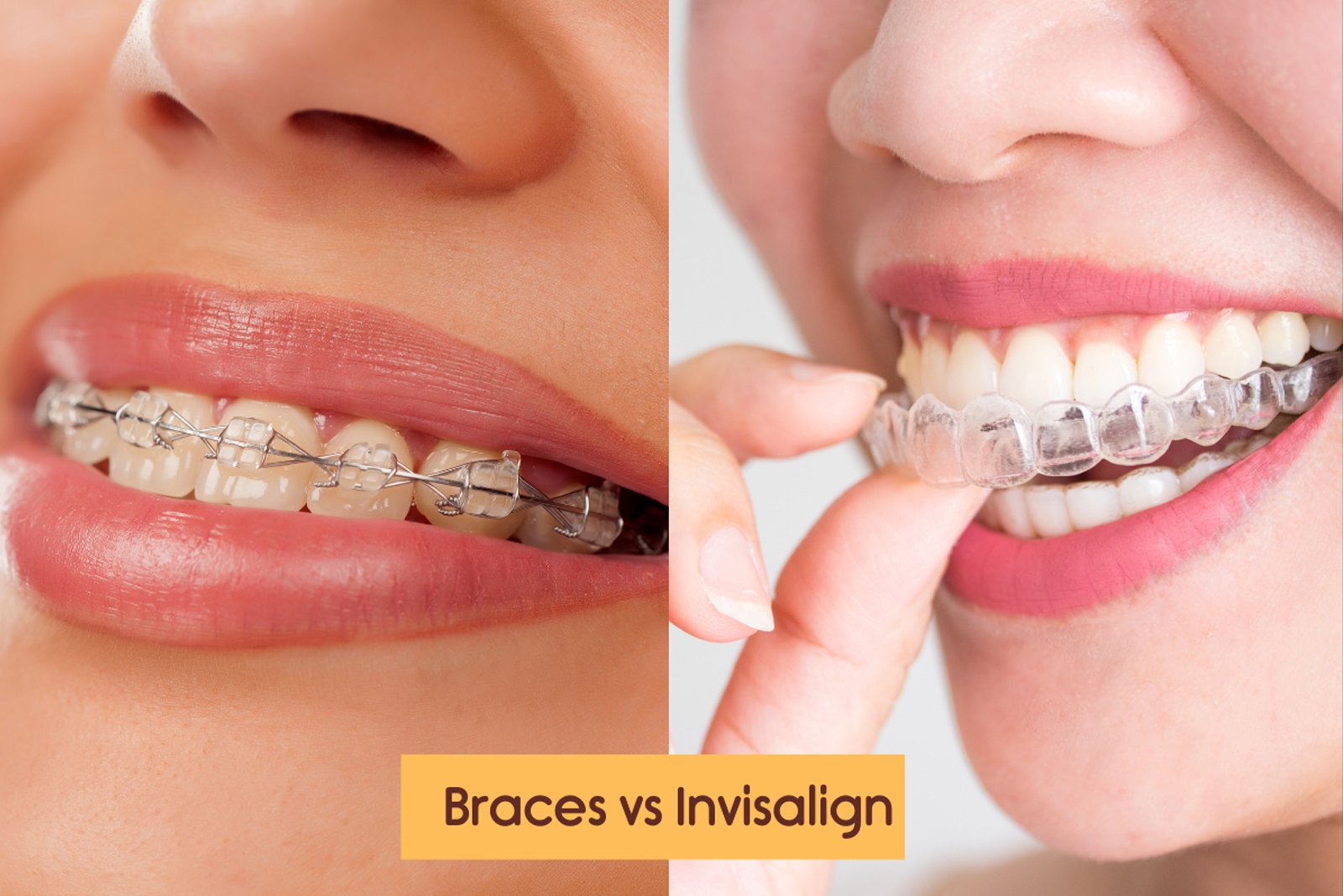
By VIN SMILES Advanced Dentistry, Greater Kailash Part 2 IntroductionWhen it comes to straightening your teeth with either braces or Invisalign, one of the most common questions patients ask is: “Will it hurt?”Whether you’re considering traditional braces or Invisalign, understanding the discomfort level can help you make a confident and stress-free decision.In this guide, we’ll compare braces vs Invisalign pain and help you choose what’s right for you. What Causes Pain During Teeth Straightening?Both braces and Invisalign work using the same principle—gradual tooth movement.This movement applies pressure to your teeth and surrounding bone, which may cause temporary discomfort. The key difference lies in how that pressure is applied. Traditional Braces: What to ExpectBraces use metal brackets and wires to move teeth into proper alignment.Pain Level- Moderate discomfort
- Soreness after tightening appointments
- Pain lasts around 3–5 days
- Cuts or irritation on cheeks and lips
- Difficulty eating initially
- Tight feeling after wire adjustments
- Mild to moderate pressure
- Discomfort lasts 1–2 days when switching aligners
- No metal brackets or wires
- Smooth plastic aligners reduce irritation
- Controlled and gradual force
| Factor | Braces | Invisalign |
| Initial discomfort | Higher | Lower |
| Ongoing pain | After tightening | Mild with new aligners |
| Soft tissue irritation | Common | Rare |
| Overall comfort | Moderate | More comfortable |
- Severe misalignment
- Complex bite problems
- Eat soft foods during the first few days
- Use a cold compress to reduce soreness
- Drink cold water for relief
- Maintain excellent oral hygiene
- Follow your dentist’s instructions carefully
- Painless, patient-friendly treatments
- Advanced dental technology
- Personalized care plans