Call : +91 9654988858

Vinsmiles Advanced Dentistry™

  • Home
  • Our Clinic
  • Treatments
    • Dental Implants
    • Prosthodontics
    • Conservative Dentistry
    • Endodontics
    • Periodontics
    • Oral and Maxillofacial Surgery
    • Orthodontics
    • Smile Designing
    • Full Mouth Rehabilitation
    • Pedodontics
  • Meet our Team
  • Contact Us
  • Blogs
  • Testimonials
Make an Appointment
  • Home
  • Blogs
  • Dental Education
  • Can Stress or Crying Cause Tooth Pain?

Can Stress or Crying Cause Tooth Pain?

Can Stress or Crying Cause Tooth Pain?

by Neha / Friday, 05 December 2025 / Published in Dental Education
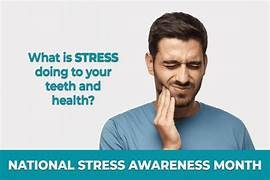
Can Stress or Crying Cause Tooth Pain? **Can Stress or Crying Cause Tooth Pain?The Mind–Body Connection You Didn’t Know About**Have you ever had a long, emotionally exhausting day—maybe you cried, maybe you were stressed out—and suddenly your teeth began to hurt? It’s a surprisingly common experience. Many people brush it off, thinking it’s just coincidence, but modern research shows that your emotions and your dental health are more connected than you think.In today’s fast-paced world, emotional health has become just as important as physical health. Yet, when we think of dental issues, we assume they come only from cavities, gum disease, or poor habits. What if your mind and emotions are quietly influencing your tooth pain… even when nothing seems wrong inside the mouth?Let’s explore this fascinating mind–body connection.
  1. Why Stress Shows Up as Tooth Pain
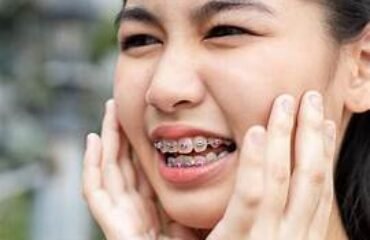
Stress doesn’t stay in the mind. Your body reacts to it in many subtle ways that eventually create physical symptoms. Headaches, neck stiffness, digestive issues—and yes, even tooth pain—can appear during stressful periods.✔ 1. Jaw Clenching and Teeth GrindingWhen you’re stressed, your body goes into “fight or flight” mode. Your jaw muscles tighten, often without you realizing. This leads to:Grinding at night (bruxism)Clenching during the dayStiffness in the jaw joints (TMJ)Sensitivity in the teeth due to pressureYou may wake up with pain in your jaw, cheeks, or temples—and a lingering toothache near the back teeth.What’s surprising is that many people clench even while scrolling through their phone, commuting, or working on a laptop. Emotional tension physically settles in the jaw.✔ 2. Stress-Induced Gum InflammationHigh stress increases cortisol levels—the stress hormone. Cortisol weakens your immune response, causing gum tissues to become inflamed more easily. Even mild gingivitis can flare up during emotionally heavy phases, causing:Soreness around certain teethBleeding gumsA “heavy” sensation in the jawInflamed gums can mimic tooth pain and confuse people into thinking they need dental treatment when the trigger is emotional.✔ 3. Nerve Sensitivity Increases During StressWhen you’re stressed, your pain threshold drops. This means even minor issues—like a small cavity, a bit of enamel wear, or exposed roots—can suddenly feel more intense. Stress amplifies existing sensations.Your brain becomes more alert, and pain signals feel sharper.This doesn’t mean the pain is “imagined.” It means your nerves are genuinely more active.
  1. How Crying Can Trigger Tooth Pain
This one surprises a lot of people… but it’s true.Crying, especially during deep emotional release, can lead to temporary tooth discomfort. Here’s how:✔ 1. Crying Causes DehydrationWhen you cry heavily, your body loses fluids—through tears and through your nose. Dehydration reduces saliva production, leading to:Temporary dryness in the mouthIncreased aciditySensitivity in exposed tooth areasLess saliva means weaker natural protection, making the teeth feel unusually tender.✔ 2. Sinus Pressure Increases During CryingYou’ve probably noticed that crying makes your nose stuffy. That’s because tears drain into the nasal cavity. This increases sinus pressure, which directly sits above your upper back teeth.This pressure can mimic tooth pain—usually a dull, throbbing discomfort in:Upper molarsUpper premolarsIt disappears after the crying episode ends and the sinuses settle.✔ 3. Crying Strains Facial MusclesEmotionally intense crying activates certain facial muscles—especially around the cheeks, eyes, and jaw. Tightening of these muscles puts stress on the jaw joint and periodontal ligaments, leading to:A sore jawPain around a toothA feeling that “one tooth is hurting” even when the tooth is fineIt’s all part of an emotional-muscular connection.
  1. Emotional Pain Often Shows Up as Physical Pain
Have you noticed that when life feels heavy, your body also feels heavier? That’s not your imagination.Emotional stress often manifests physically. The teeth and jaw are particularly sensitive because they are among the strongest muscles in the body and respond directly to emotional tension.How Emotional Pain Turns Into Tooth Pain:You cry → Sinus pressure increasesYou stress → Jaw clenchesYou overthink → Neck muscles tightenYou hold emotions → TMJ gets strainedYou feel overwhelm → Body goes into fight/flight → Grinding startsYour mind and body communicate constantly. When one is affected, the other responds.
  1. The Vicious Cycle: Pain → Stress → More Pain
Tooth pain due to stress or crying can create a loop:You feel stressed.You clench or grind.Your teeth hurt.You stress more because something feels wrong.This cycle is very common in young adults, corporate professionals, new parents, and anyone going through emotional transitions.
  1. When Should You Worry?
Not all tooth pain from stress or crying is harmless. Sometimes it can uncover a hidden issue.Seek a dental check-up if:The pain lasts more than 2–3 daysPain increases when chewingYou feel sensitivity to hot or coldA tooth hurts specifically (not generalized tenderness)There’s swelling, bleeding, or feverA dentist can rule out cavities, cracked teeth, gum disease, or TMJ disorders.
  1. How to Reduce Stress-Related Tooth Pain
Here are simple, practical solutions that truly work and are easy for anyone to try.✔ 1. Jaw Relaxation ExercisesPlace the tip of your tongue lightly on the roof of your mouth, just behind the front teeth, and relax your jaw.This breaks the clenching habit instantly.Do this multiple times a day.✔ 2. Warm Compress on the JawA warm cloth on the jaw joints can ease muscle tension within minutes.✔ 3. Stay HydratedEspecially after crying—sip water to restore moisture and bring saliva levels back to normal.✔ 4. Breathing TechniquesSlow breathing calms the nervous system and reduces muscular tension.✔ 5. Night Guard (If Grinding Is Habitual)If you grind at night, a custom night guard can protect your teeth and relax your muscles.✔ 6. Magnesium SupplementationMagnesium helps relax muscles and reduce nighttime clenching.(Consult a doctor before starting any supplement.)
  1. Emotional Well-Being = Dental Well-Being
Healthy teeth are not only about brushing and flossing. They’re also about keeping your mind and emotions balanced.Emotional stress affects:Saliva flowGum healthHealing abilityMuscle tensionPain sensitivityModern dentistry acknowledges that the mouth is part of a larger ecosystem. When your emotional world is turbulent, it reflects in your jaw, teeth, and face.
  1. The Takeaway
Yes—stress and crying can absolutely cause tooth pain.Not because the tooth itself is damaged, but because:Your muscles tightenYour nerves become more sensitiveYour sinuses get congestedYour saliva decreasesYour jaw reacts to emotional pressureYour teeth and emotions are connected more deeply than most people realize.So the next time your tooth hurts after a tough emotional day, pause before panicking.Ask yourself:“Is my tooth hurting, or is my mind asking for a break?”Your dental health isn’t just about the condition of your teeth—it’s also about the condition of your heart, mind, and life.If you’re experiencing tooth pain during stressful periods, emotional overwhelm, or after episodes of crying, the team at VIN SMILES Dental Clinic GK2 (Greater Kailash 2, South Delhi) can help identify whether the cause is clenching, TMJ strain, sensitivity, dehydration, or something deeper.We provide stress-related tooth pain management, TMJ treatment, night guards, sensitivity care, and complete dental check-ups for families in GK2, South Delhi, Greater Kailash 1, Nehru Place, Kailash Colony, and nearby areas.Book your consultation at Vin Smiles GK2 and let us guide you toward pain-free, healthy dental well-being. 
  • Tweet

What you can read next

foods that make your teeth age faster
The Shocking Foods That Make Your Teeth Age Faster

Our Location

(303 Basement, Block S, Greater Kailash Part 2, New Delhi- 110048)

  Services

All

Dental Implants

Prosthodontics

Pedodontics

Periodontics

Oral & Maxillofacial Surgery

Orthodontics

Full Mouth Rehabilitation

About Us

OUR CLINIC

MEET OUR TEAM

Resources

Blog

Testimonials

Terms of Use

Privacy Policy

Contact Us

TOP