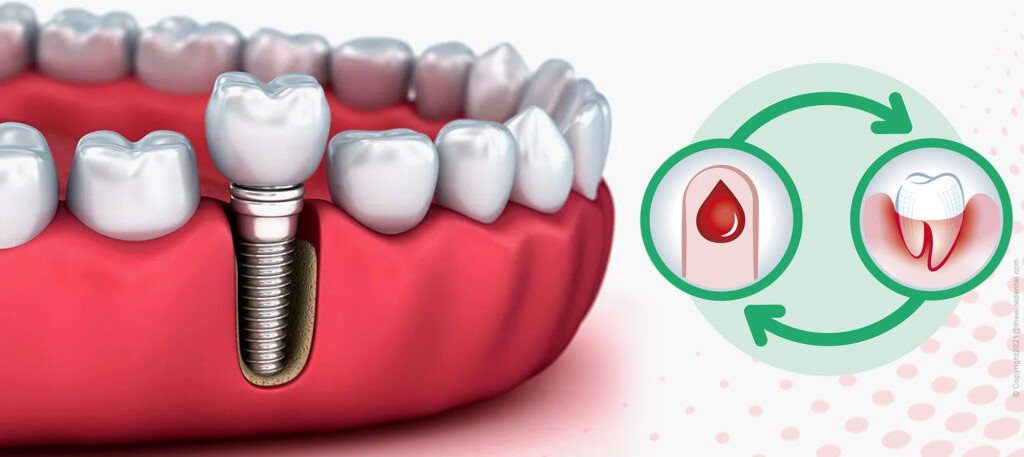
 Are dental implants safe for diabetics?Dental implants are not only safe for individuals with diabetes—they can actually contribute to better overall health compared to traditional dentures. By providing a stable, permanent solution, implants make it easier for diabetics to maintain a nutritious diet without the discomfort or limitations of ill-fitting dentures.Unlike dentures, which can cause irritation, inflammation, or even frequent infections, dental implants eliminate many of these issues, promoting healthier gums and oral tissues. While diabetics may need tailored pre- and post-operative care to ensure optimal healing, recent research confirms that dental implants are a safe and effective option for those with well-managed diabetes.A 2022 study on dental implants and diabetes concluded that “when diabetes is well-controlled, implant procedures are safe and predictable, with complication rates comparable to those in healthy individuals.”If you’re considering dental implants and want to ensure they’re a safe and effective option for you, here are some important factors to keep in mind:
 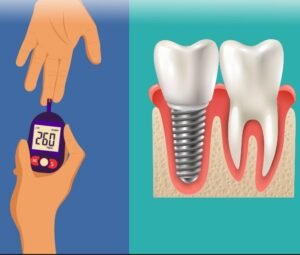 Dental Implants and Diabetes: What You Need to Know :
- Patients with uncontrolled diabetes may face higher risks of post-procedure infections and implant failure. That’s because dental implants are placed directly into the jawbone and depend on the body’s natural healing ability to fully integrate—a process known as osseointegration. Once the implant fuses with the jawbone, the gums also need to heal properly. This healing phase gives implants strength, stability, and a natural feel, making them more permanent than bridges or dentures.

- Fluctuating blood sugar levels can affect the body’s response to dental implant surgery and healing. Keeping blood sugar stable before and after the procedure supports optimal healing and implant success.
The Importance of Blood Sugar Control Before and After Surgery
Controlling blood sugar levels is one of the most important factors in the success of dental implants for diabetic patients. Here’s why:- Reduced Risk of Infection: High blood sugar can suppress the immune system, making infections more likely.
- Improved Healing: Stable glucose levels help the body repair tissue more efficiently.
- Bone Health: Blood sugar impacts bone density and the ability to maintain a strong implant foundation.
Control Blood Sugar: Keep your A1C below 7% before implants to ensure proper healing. Poorly controlled diabetes may require delaying the procedure.
Collaborative Care: Your implant specialist should coordinate with your healthcare team and do a full medical exam before surgery to reduce risks.
Learn and Plan: Understand oral care and maintain A1C levels before surgery. Consult a nutritionist and quit smoking to boost healing success.
Get Ready for Surgery: Use advanced imaging like CBCT to check bone density, and take antibiotics if needed to prevent infections in diabetic patients.
Surgery and Care: Minimally invasive techniques promote faster healing; schedule regular follow-ups and ongoing dental check-ups to avoid complications.